

Resorts
 Tunisia
The East Coast
Tunisia
The East Coast
Sousse Travel Guide
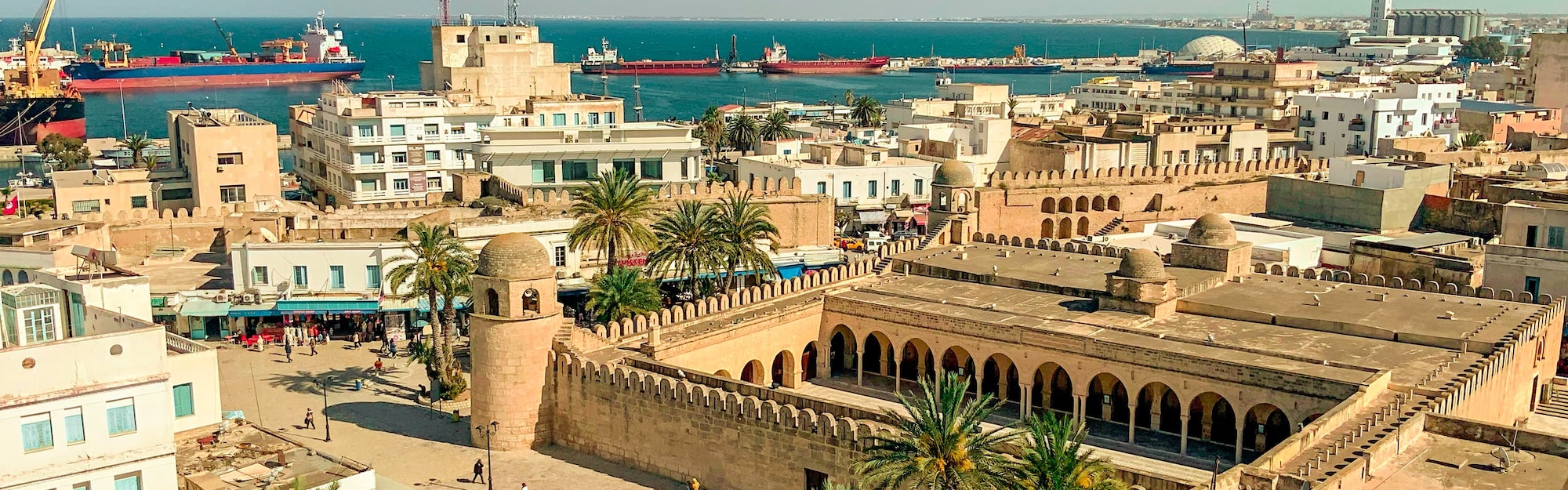
The captivating resort town of Sousse lies on Tunisia's east coast, roughly two hours' drive south of the capital, Tunis. Known since antiquity as , Sousse has charmed civilisations for centuries, from the Phoenicians, who founded it in the 9th century BCE, to the Romans, Byzantines, and Arabs, all of whom left their mark on this fertile and strategically placed coastal gem. Today, its mild Mediterranean climate and golden beaches continue to attract holidaymakers from across Europe.
Sousse is not only a favourite with international visitors but also a beloved getaway spot for Tunisians, who mingle with tourists along its lively promenade and sun-drenched shore. Despite the presence of modern beachfront hotels, the city's historic heart retains a rich and authentic character.
Its UNESCO-listed medina is widely considered one of the best-preserved in Tunisia. Tucked beneath the imposing Ribat and Kasbah, the old city is a maze of narrow, covered alleyways brimming with colour and life. Hundreds of stalls offer everything from carpets and porcelain to leather bags, olive oil, and spices. Just outside the medina, visitors can also explore a large modern shopping complex, including the popular Soula Center, which features fixed prices for those less inclined to haggle.
But Sousse offers far more than just beach lounging and shopping. Its impressive archaeological museum, housed inside the old Kasbah, boasts one of Tunisia's finest collections of Roman mosaics, as well as statues, masks, and other ancient artefacts. History buffs will also be intrigued by the Christian catacombs, a vast underground network of burial chambers dating back to the 2nd century CE, stretching for several kilometres beneath the city.
For package-tour visitors and independent travellers alike, Sousse offers a perfect mix of seaside relaxation and cultural exploration, all at very reasonable prices, especially compared to European beach destinations.
Shopping
Exploring the souks of the medina is a highlight for many visitors. Bargaining is expected, and carpets, leather goods, olive wood items, and traditional ceramics are among the most popular buys. While the lively negotiations can be fun, some visitors may prefer the modern shopping mall just outside the medina, where local and regional goods are sold at fixed prices. This is ideal for hassle-free souvenir hunting.
Restaurants
Sousse offers an array of dining options. International fare such as pizza, tapas, and French cuisine is widely available, especially in tourist zones and hotel restaurants. Local cuisine is also well worth sampling, particularly regional staples such as couscous, brik (a crisp pastry filled with egg and tuna), grilled meats, and fresh seafood. Many of the best restaurants are located within resort hotels, but plenty of charming local eateries are within walking distance of the beachfront and medina.
Nightlife
Nightlife in Sousse is relatively relaxed. Most of the entertainment takes place in hotels and apartment resorts, offering live music, dancing, and lounge bars. Young locals often gather in the evenings along the Boujaffar promenade, creating a sociable, laid-back atmosphere. For more vibrant nightlife, a few clubs and beach bars operate outside the city centre, though they generally close before the early morning hours.
Holiday activities
The beaches of Sousse are perfect for sunbathing and swimming, but there's also a full menu of a water sports, including windsurfing, water-skiing, jet-skiing, and scuba diving. Fishing trips and boat tours along the coast are also on offer.
For land-based exploration, visitors can delve into Sousse's Roman heritage at the museum or wander the historic medina. Excursions are widely available to nearby attractions such as Monastir, El Jem (home to a spectacular Roman amphitheatre), and the Friguia Wildlife Park, a family-friendly day out just a short drive away.
Any negatives?
As in many busy tourist areas, some visitors report that the shopkeepers in the medina can be overly persistent. A firm but polite 'no, thank you' usually works well. Pickpocketing can occur in crowded areas, so visitors should keep their valuables secure, as they would in any busy destination.