


Things to do in Southern Argentina
Southern Argentina is a land shaped by wind and ice, where open skies stretch endlessly and silence holds a presence of its own. From the wide, rolling plateaus of Patagonia to the jagged peaks of the Andes and the remote, rugged coastline of Tierra del Fuego, nature here feels both wild and elemental. Roads often stretch for hours without interruption and the weather shifts rapidly, with the quiet but powerful atmosphere leaving a lasting impression.
In the north of Patagonia, travellers can explore the Lake District and its clear glacial lakes, forested hills and alpine-style towns. The region's hub, Bariloche, is famous for its chocolate but also for its year-round outdoor offerings. Winter brings skiing in the surrounding mountains, while summer is perfect for hiking, camping, kayaking and fishing in the lakes and rivers.
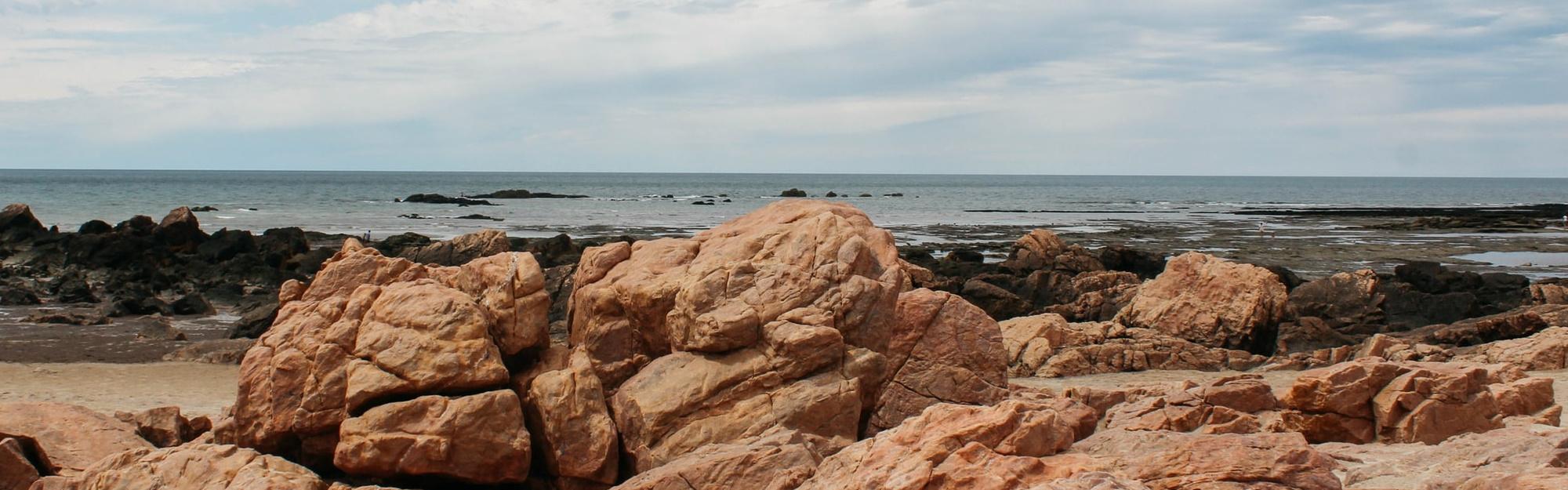
Further east, along the Atlantic coast, the beach town of Las Grutas draws visitors with its warm, sheltered waters and coastal cliffs. But it's the nearby Península Valdés that truly stands out for being a UNESCO World Heritage Site and one of South America's richest wildlife habitats. Depending on the time of year, visitors can spot southern right whales, sea lions, elephant seals penguins, and orcas. Inland, rheas and guanacos roam the steppe.
In western Patagonia, the landscape becomes more dramatic. Glaciers spill out of the Andes, and jagged peaks rise above windswept plains. The Perito Moreno Glacier in Los Glaciares National Park is the highlight here, and is an immense, slow-moving river of ice that regularly calves into the lake with thunderous crashes. The surrounding park has some of the best hiking in the country and a deep sense of remoteness that defines the region.
At the southern edge of the continent lies Tierra del Fuego, a rugged archipelago shared with Chile. Most visitors arrive in Ushuaia, often described as the world's southernmost city. It's a starting point for cruises to Antarctica but also a destination in its own right, offering hiking, trout fishing, kayaking, and skiing in the nearby mountains. With its wild terrain and frontier atmosphere, Tierra del Fuego feels like a natural end point or perhaps a new beginning for those drawn to the quiet, powerful presence of the far south.
Patagonia
Adventurous travellers are drawn to the wild beauty and abundant wildlife of Patagonia, a vast region that stretches across Argentina and Chile from south of the Colorado River to …
Patagonia
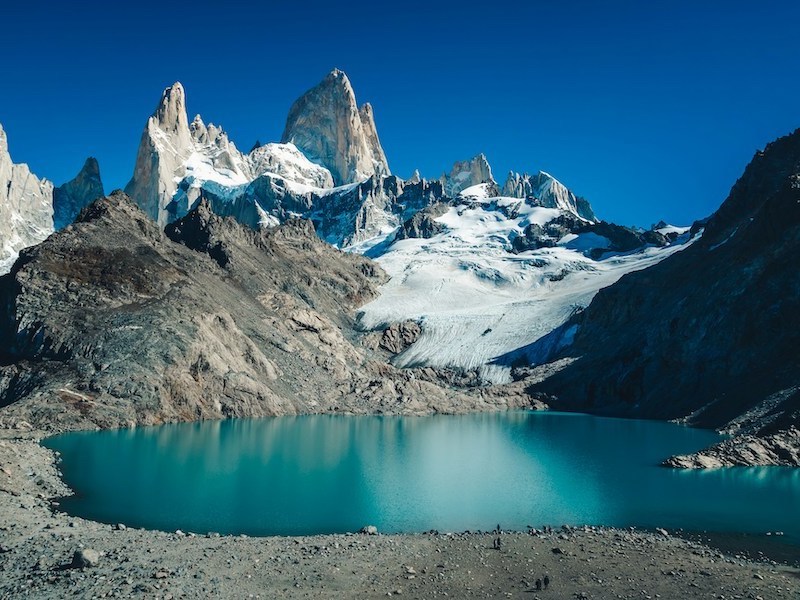
Adventurous travellers are drawn to the wild beauty and abundant wildlife of Patagonia, a vast region that stretches across Argentina and Chile from south of the Colorado River to the southern tip of South America. Many visit Península Valdés, a Patagonian nature reserve on the coast of Argentina and UNESCO World Heritage Site, between July and April to witness thousands of southern right whales, elephant seals, and other marine mammals during their breeding season.
Further south, summer is the best time to visit to avoid harsh winter temperatures that can drop below 13°F (-25°C). Along the Río Chubut valley, visitors can explore the rich Welsh cultural heritage, while nearby Punta Tombo hosts one of the largest Magellanic penguin colonies in South America. Fly-fishing enthusiasts are attracted to rivers such as the Río Gallegos.
Near the Andes, national parks such as Parque Nacional Perito Moreno and Los Glaciares feature stunning lakes and glaciers, with the Perito Moreno Glacier, a massive river of ice that calves dramatically into Lake Argentino, being a major highlight.
Tierra del Fuego
This island territory at the southern tip of South America is shared by Chile and Argentina and is known for its dramatic, windswept scenery. Although located further south, much o…
Tierra del Fuego
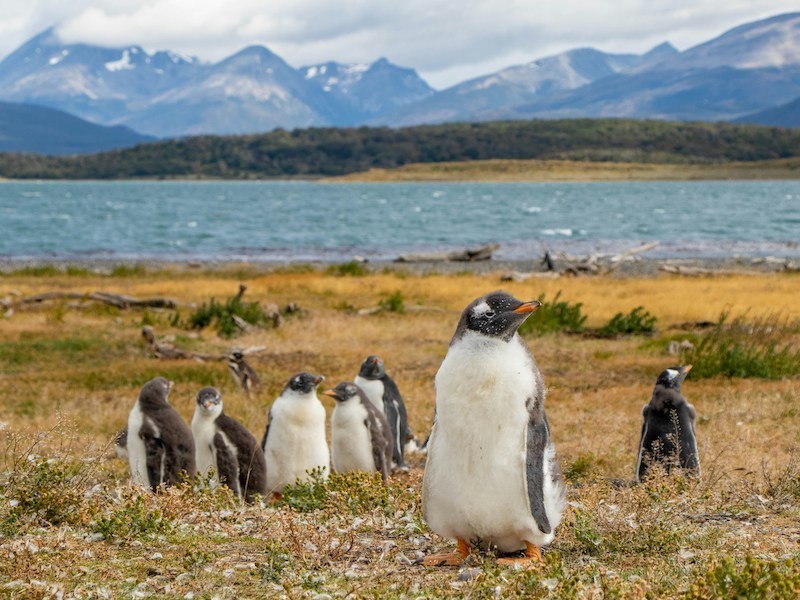
This island territory at the southern tip of South America is shared by Chile and Argentina and is known for its dramatic, windswept scenery. Although located further south, much of Tierra del Fuego has a temperate maritime climate, with cool summers and milder winters than the more extreme interior of mainland Patagonia.
The principal tourist destination is Ushuaia, a lively port town and base for visiting the scenic Beagle Channel, trekking in Parque Nacional Tierra del Fuego, or hiking in the southern mountain ranges, where lakes, snow-capped peaks, and dense beech forests define the landscape. Ushuaia is also the main gateway for cruises to Antarctica, with ships departing to visit colonies of penguins, seals, sea lions, and seabirds.
Nearby, the Les Eclaireurs Lighthouse is a popular photo stop, and the area also hosts a few small ski resorts offering both downhill and cross-country skiing. Further north, anglers head to the Río Grande, considered one of the best brown trout rivers in the world.
Perito Moreno Glacier
Situated in Los Glaciares National Park, a UNESCO World Heritage Site, the breathtaking Perito Moreno Glacier stretches nearly 19 miles (30km) in length and covers an area of about…
Perito Moreno Glacier
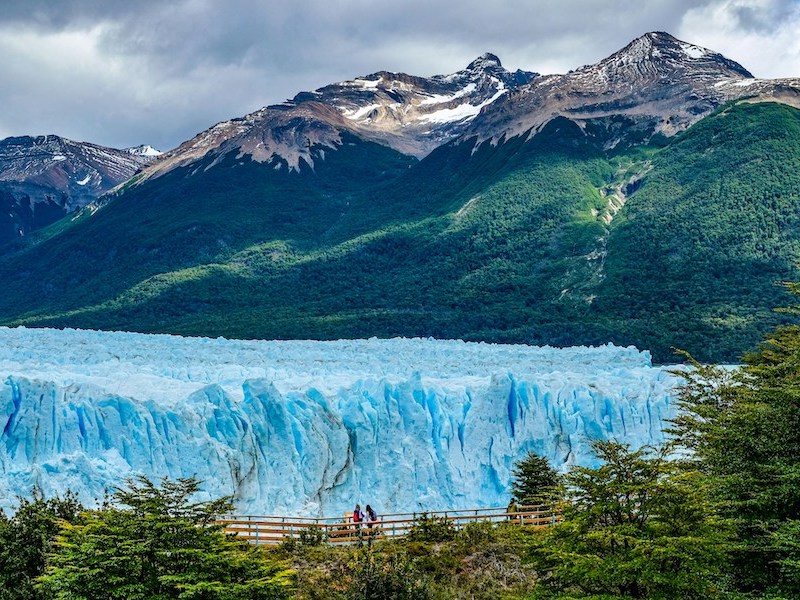
Situated in Los Glaciares National Park, a UNESCO World Heritage Site, the breathtaking Perito Moreno Glacier stretches nearly 19 miles (30km) in length and covers an area of about 97 square miles (250 sq km). This spectacular blue-white ice formation is one of the few glaciers in the world that has remained relatively stable in size in recent decades, despite widespread glacial retreat elsewhere. It advances at a rate of up to seven feet (2m) per day, causing enormous chunks of ice to break off into Lago Argentino with thunderous crashes, sending icebergs and waves across the water.
Perito Moreno is also known for its rare and dramatic rupturing events, when rising water pressure forces a breach in the natural ice dam, causing the glacier to crack and collapse in a powerful surge. While these events were once fairly regular, their timing is now unpredictable, sometimes occurring every few years, sometimes much less often. The glacier is most easily accessed from the nearby town of El Calafate, about a two-hour drive away.
Website whc.unesco.org/en/list/145/
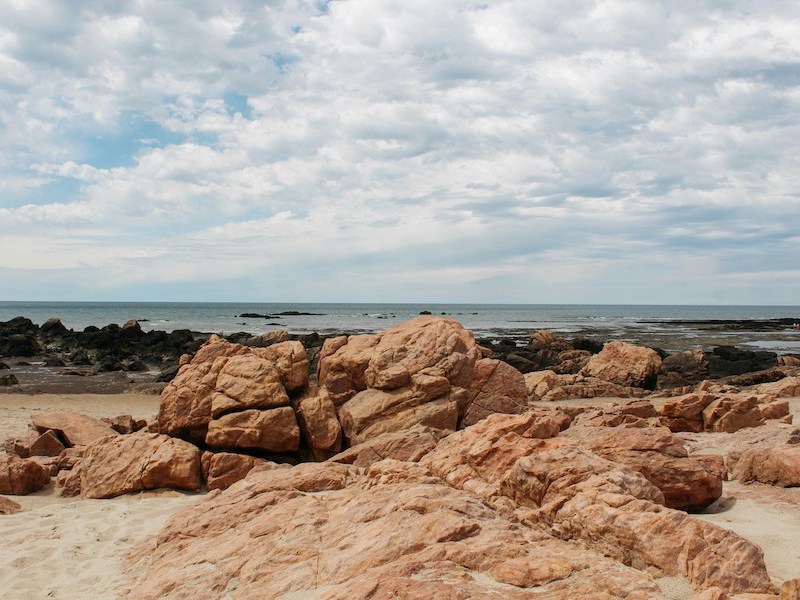
Las Grutas
One look at Las Grutas' striking coastline, where cliffs and plateaus give way to sea caves and sandy coves, makes it easy to see why it's one of the most popular beach resorts in …
Las Grutas
One look at Las Grutas' striking coastline, where cliffs and plateaus give way to sea caves and sandy coves, makes it easy to see why it's one of the most popular beach resorts in Argentine Patagonia. This dramatic setting, paired with clear blue waters and wide ocean views, creates a destination that's both rugged and relaxing.
Las Grutas is known for having some of the warmest seawater in the country, thanks to its unique coastal geography, and it offers ideal conditions for scuba diving, paragliding, and hiking along the cliffs and shore.
Though small, the town has a selection of hotels, restaurants, and spas, and serves as a base for exploring nearby San Antonio Oeste. Longer trips to Puerto Madryn, Sierra Grande, or the penguin colony at Punta Tombo are also possible for those with more time.