


Antananarivo Travel Guide
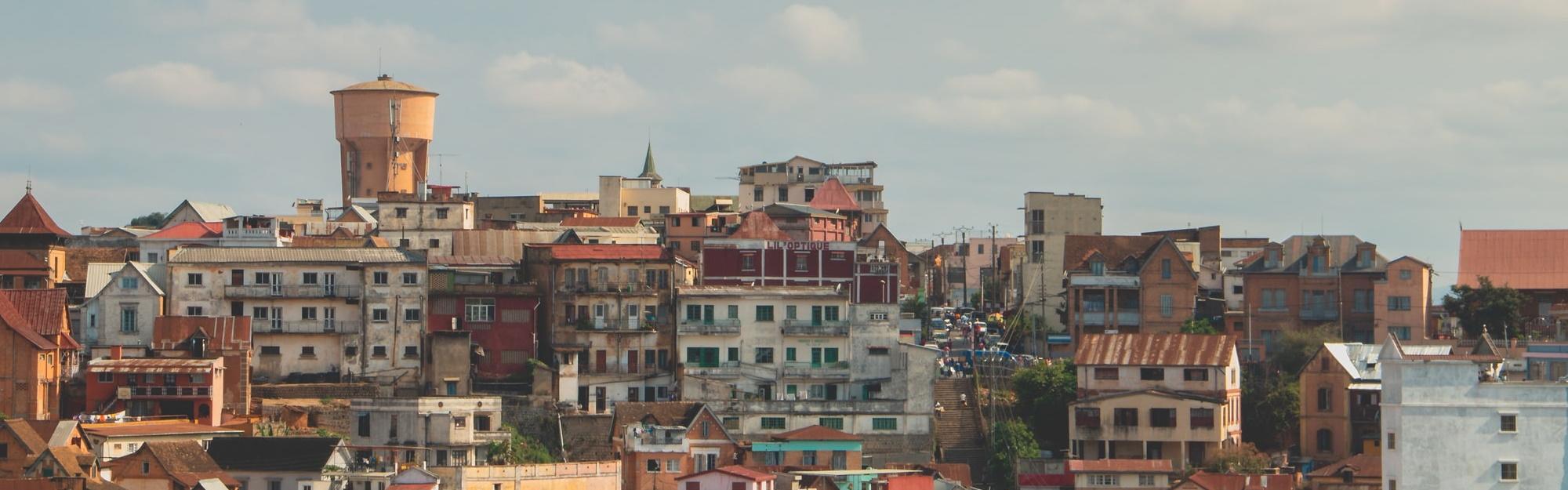
Locally known as 'Tana', Madagascar's lively capital, Antananarivo, sits amid rolling highland landscapes and is steeped in history. Perched on ridges and hillsides, its red rooftops scattered across the slopes, the city serves as the island's main gateway and offers an intriguing blend of tradition, colonial influence and modern energy.
French architectural touches blend with Malagasy culture in the city's winding streets, where red-brick houses and 19th-century churches add character to every turn. Antananarivo may be chaotic at times, but its atmosphere is vibrant and distinctive, making it an attraction in its own right.
Among the city's highlights are the Royal Hill of Ambohimanga (a UNESCO World Heritage Site and one of Madagascar's most sacred places), the Andafiavaratra Palace (formerly the Prime Minister's residence), and the Rova of Antananarivo. Once the Queen's Palace, the Rova was badly damaged by fire in 1995 and is now undergoing long-term restoration. The city's name, Antananarivo, meaning 'City of a Thousand', dates back to the 17th century, when King Andrianjaka stationed 1,000 soldiers here to defend the royal hill he had conquered. Today, the site remains a powerful symbol of national heritage.
Shopping in Tana is an adventure of its own, with a dynamic mix of street vendors, bustling markets, artisan stalls and modern shopping centres. While the legendary Zoma Market, once among the world's largest open-air markets, is no longer held, its spirit lives on in places such as the Analakely Market and the Andravoahangy artisan centre. These are excellent spots to find handcrafted souvenirs, from woodcarvings and oil paintings to handwoven fabrics, embroidered goods and straw hats.
Some items made from natural materials, such as coral or seashells, may be subject to export restrictions due to environmental protections, so it's best to check before buying. Haggling is part of the shopping experience, though visitors should expect to pay higher prices than locals. A few words of French can go a long way when bargaining and navigating local interactions.
As with any major city, opportunistic crime can be a concern. Visitors should keep a close eye on their belongings in crowded areas and take standard precautions, especially in busy markets.