

Country guides
 Africa
Madagascar Travel Guide
An exciting and unusual destination, Madagascar is often described as the eighth continent, a reflection of its truly unique wildlife, dramatic landscapes, and extraordinary biodiversity. The island is the fourth largest in the world and has been isolated for nearly 90 million years, giving rise to an astonishing variety of plants and animals found nowhere else on Earth. From wide-eyed aye-ayes and elusive fossas to colourful chameleons, tenrecs, and more than a hundred species of lemur, Madagascar offers a dreamlike experience for nature lovers. Unsurprisingly, its national parks and nature reserves rank among the country's top attractions, drawing visitors keen to explore its rare ecosystems up close.
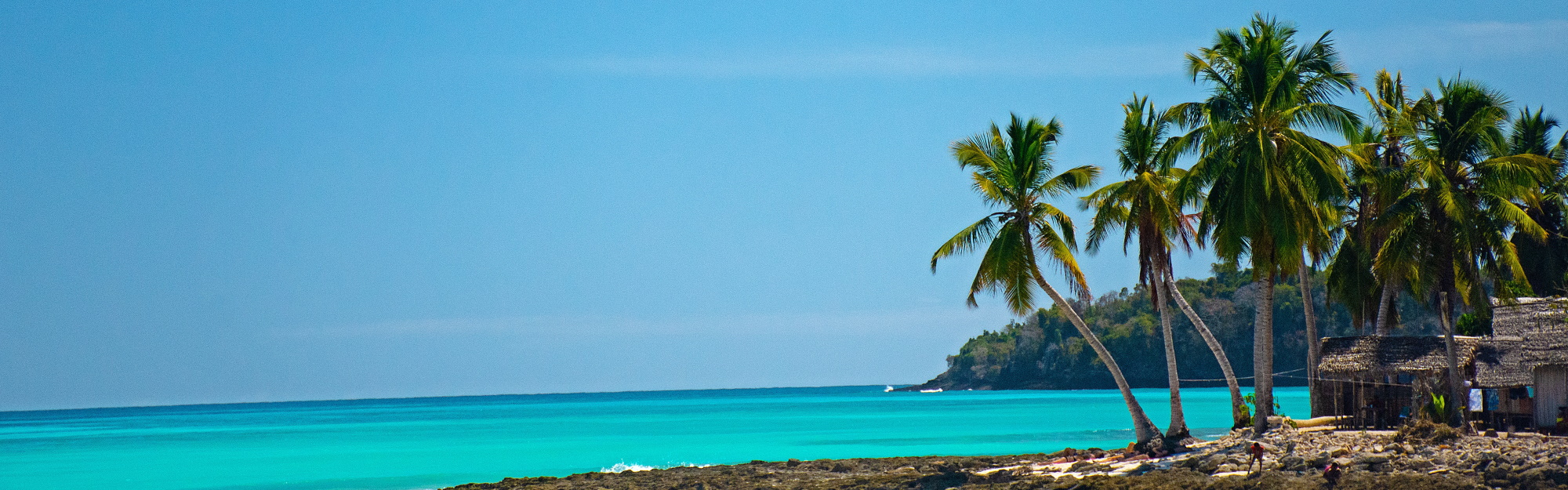
Travel in Madagascar can be challenging at times. Infrastructure is basic in many areas, and getting around takes a bit of patience. However, the rewards are more than worth it. For those seeking an easier gateway to the island's beauty, the resort island of Nosy Be, off the northwest coast, is a popular choice. With its palm-fringed beaches, warm turquoise waters, coral reefs, and nearby rainforests, Nosy Be provides a romantic and relaxed introduction to Madagascar's natural charm, along with plenty of opportunities for diving, snorkelling and wildlife excursions.
Best time to visit Madagascar
Madagascar's climate is subtropical with a rainy season between November and April and heat and humidity all year. The comparatively cool and dry months between May and October are the best time to visit the island.
What to see in Madagascar
-Watch the sunset at the beautiful and ancient Avenue of the Baobabs.
-Visit the Berenty Reserve to get close to some remarkably tame lemurs.
-Enjoy romance, watersports and stunning beaches at Nosy Be.
-See the wildlife of Madagascar at Parc Ivoloina, part zoo and part reserve.
What to do in Madagascar
-Explore the rainforest, volcanic lakes and waterfalls of Amber Mountain National Park.
-Spend some time lounging on the pretty beaches of Antsiranana Bay.
-Take an excursion to The Royal Hill of Ambohimanga to get a taste of the island's history and culture.
-Hike around the UNESCO-listed Ranomafana National Park to see diverse wildlife.
Getting to Madagascar
Most international flights to Madagascar land at Ivato International Airport, situated 11 miles (17km) from the capital, Antananarivo. From this airport it's possible to fly to a number of local destinations.
Read
The Aye-Aye and I: A Rescue Mission in Madagascar by Gerald Durrell.
Listen
Listen to local Tsapika and Salegy music.
Watch
Madagascar (2005), and Madagascar, A Journey Diary (2010).
Drink
Litchel (made from lychees) and taoka gasy (distilled from sugar cane and rice).
Eat
Spicy traditional stews and vanilla-flavoured desserts.
What to buy
Finely woven cloths and textiles, silver jewellery and wooden sculptures.
What to pack
Pack plenty of insect repellant as a number of mosquito-borne diseases, including malaria, are found in Madagascar.
What's on in Madagascar
Although generally not a travel destination celebrated for its festivals and events, Madagascar has a number of fascinating cultural celebrations, including the Malagasy New Year, Alahamady Be, which takes place annually in March. Visitors also flock to the coast for the annual Whale-Watching Season between July and September.
Did you know?
-Madagascar is one of the poorest countries in the world.
-There are more than 70 species and sub-species of lemur on the island.
-Madagascar is the world's largest exporter and producer of vanilla.
A final word
A challenging and beautiful destination, Madagascar is ideal for adventurous nature-lovers looking for off-the-grid travel.