

Country guides
 Europe
Belarus Travel Guide
Belarus may be landlocked, but it's surprisingly rich in natural beauty, with wide open plains, dense forests, sparkling lakes, and peaceful marshlands that feel untouched and inviting. Relatively undiscovered by international tourists, the country offers a chance to see a side of Europe that still moves at a quieter, slower pace.
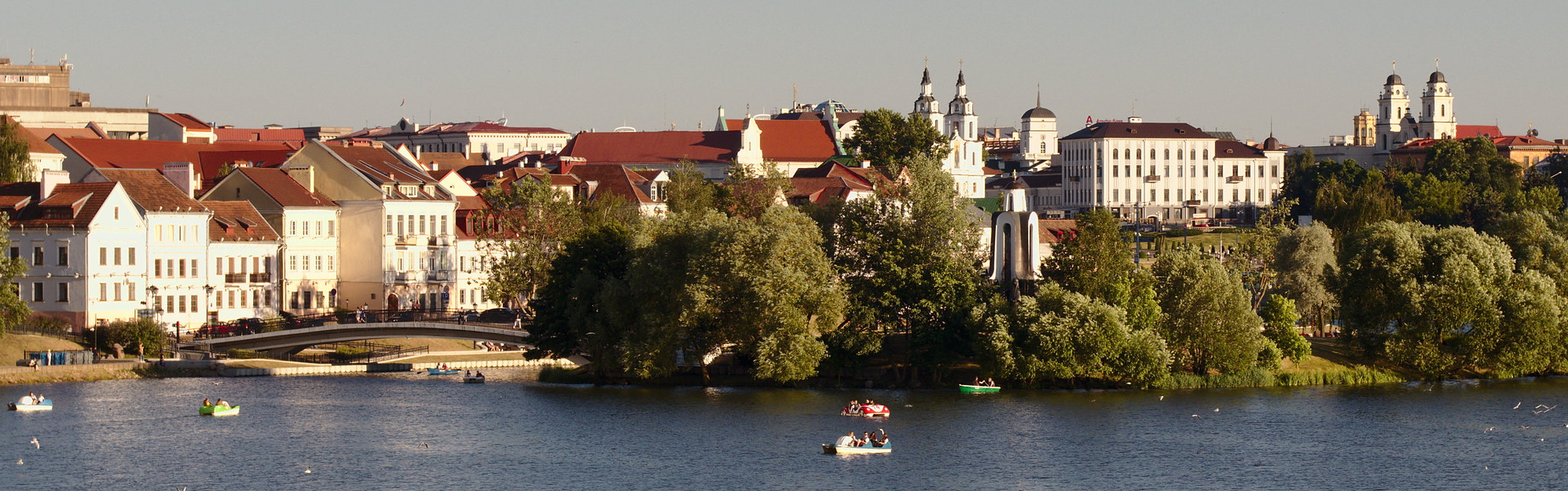
At the heart of Belarus is Minsk, the capital, where history and modernity meet. The city has been rebuilt many times over the centuries, especially after World War II, giving it broad avenues, open squares, and a mix of modern and Soviet-era architecture. A few historic corners remain, offering glimpses into the city's long past and a sense of continuity amid its contemporary bustle.
Cultural life in Belarus is active and welcoming. Minsk and other cities host galleries, theatres, and concert halls, while local restaurants serve traditional dishes such as draniki (a type of potato pancake) alongside international cuisine. Cafés, bars, and small music venues make evenings lively, yet relaxed, giving visitors a chance to experience everyday life as locals do.
Beyond the cities, Belarus is a paradise for nature lovers and those seeking outdoor adventures. The Vitebsk region, with its forests, rivers, and lakes, is perfect for hiking, cycling, boating, and fishing. Rural villages promise a slower pace of life, and cultural sites such as the Khatyn Memorial and open-air museums provide insight into the country's history and traditions. Festivals, spas, and countryside retreats make the region appealing for both activity and relaxation.
Overall, Belarus combines wide-open landscapes, rich cultural heritage, and welcoming communities, giving visitors an experience that feels both authentic and memorable. Whether wandering the streets of Minsk, exploring small towns, or enjoying the natural beauty of the countryside, travellers are likely to be surprised by the depth, character, and quiet charm of this often-overlooked country.