

Country guides
 Caribbean
Things to do in Dominican Republic
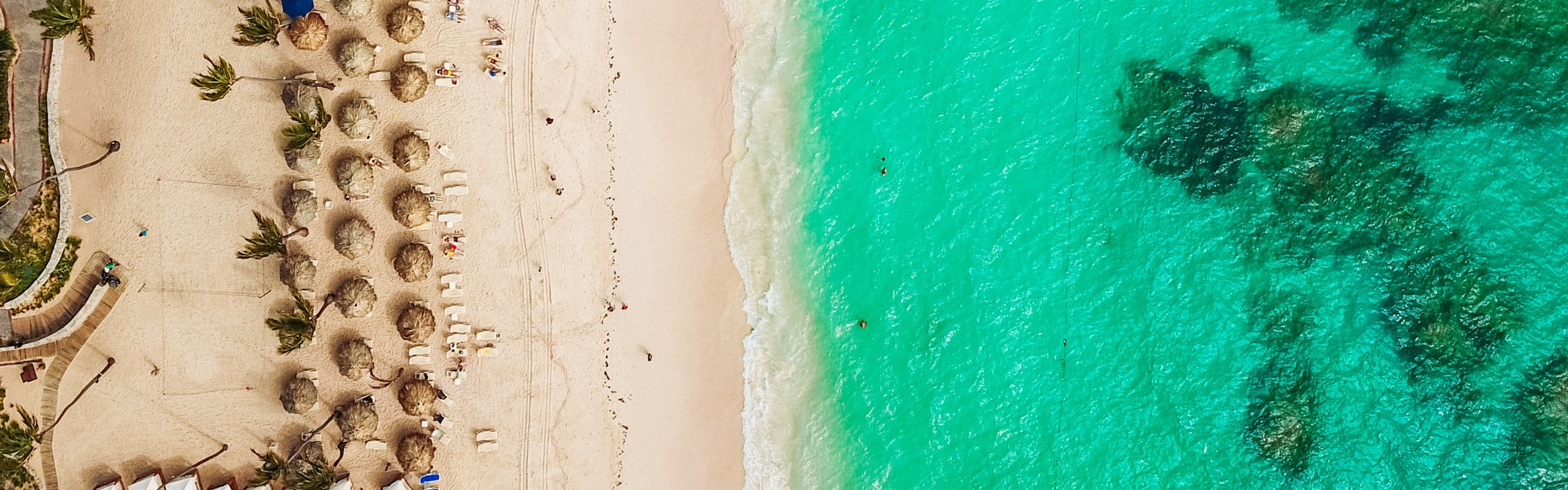
The Dominican Republic is well known as an affordable beach destination, offering numerous package tours and attractive all-inclusive resorts. It combines rich culture, history and stunning natural beauty; popular tourist areas include Puerto Plata, Punta Cana, La Romana and Samaná. Santo Domingo, the capital, is also a UNESCO World Heritage Site and considered the country's cultural heart.
Beyond its developed beach resorts and world-class golf courses, the Dominican Republic features vast coral reefs, waterfalls, tropical forests, secluded islands, pine forests and the highest mountains in the Caribbean. These diverse landscapes provide many recreational activities. Adventure seekers can raft the Yaque del Norte River, while hikers and bikers can explore alpine mountain trails. Coastal activities include snorkelling, diving, kayaking, kiteboarding, sailing and surfing.
Cathedral of Santa Maria
The Cathedral of Santa María la Menor, also known as the Catedral Primada de América, is the oldest cathedral in the Western Hemisphere. Consecrated in 1541, this remarkable chur…
Cathedral of Santa Maria
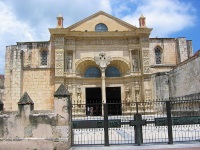
The Cathedral of Santa María la Menor, also known as the Catedral Primada de América, is the oldest cathedral in the Western Hemisphere. Consecrated in 1541, this remarkable church remains active today. Its striking architecture blends late Gothic and Renaissance styles, showcasing a golden coral limestone facade alongside a beautifully preserved Gothic interior.
Inside its walls, the cathedral has stood witness to centuries of history, including the dramatic capture of the city of Santo Domingo by Sir Francis Drake in 1586. Drake's forces seized the entire city and held it for ransom, marking one of the most turbulent moments in the cathedral's long past.
The cathedral also once housed the remains of Christopher Columbus before their final resting place was moved to the nearby Faro a Colón monument.
Colonial City
Colonial City, the historic heart of Santo Domingo, covers just about 0.41 square miles (1.06 km²) yet houses dozens of landmark sites within its walls. Visitors will find parks…
Colonial City
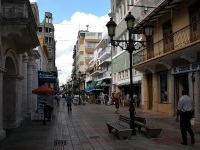
Colonial City, the historic heart of Santo Domingo, covers just about 0.41 square miles (1.06 km²) yet houses dozens of landmark sites within its walls. Visitors will find parks, forts, churches, plazas, statues, palaces, and monuments in close proximity. A walking tour of these fascinating attractions typically takes at least three hours, winding over cobbled streets once traversed by early colonial figures such as Christopher Columbus and later by Sir Francis Drake.
Calle Las Damas, often hailed as the oldest paved street in the Americas, remains a main artery through the historic zone. Among the must-see landmarks are the Casa del Cordón (believed to be one of the oldest European-style buildings in the Americas) and the Alcázar de Colón, the palace where Christopher Columbus's son Diego lived. Constructed between 1511 and 1514, the Alcázar is now a museum rich in period furnishings and art.
Columbus Lighthouse Monument
The Columbus Lighthouse, or Faro a Colón, is a massive cross-shaped monument on the eastern bank of the Ozama River. Inaugurated in 1992, it commemorates the 500th anniversary of …
Columbus Lighthouse Monument
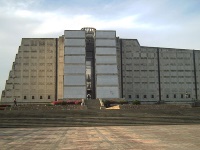
The Columbus Lighthouse, or Faro a Colón, is a massive cross-shaped monument on the eastern bank of the Ozama River. Inaugurated in 1992, it commemorates the 500th anniversary of Columbus's arrival and Santo Domingo's status as the oldest European city in the Americas. The structure was designed by Scottish architect Joseph Lea Gleave, who won a 1931 international competition for this design. Though construction was delayed for decades, his original plan was eventually realised in the 1980s. The monument stretches 680 feet and houses what are claimed to be Columbus's remains. At night, lights project a cross into the sky.
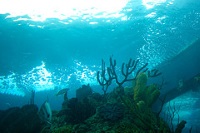
National Aquarium
The National Aquarium in Santo Domingo is one of the Caribbean's most comprehensive marine attractions, located about a 10 to 20 minute drive east of the Columbus Lighthouse in S…
National Aquarium
The National Aquarium in Santo Domingo is one of the Caribbean's most comprehensive marine attractions, located about a 10 to 20 minute drive east of the Columbus Lighthouse in Santo Domingo Este. Opened in 1990, it showcases more than 250 species (over 3,000 specimens) across 90 tanks and seven ponds. A highlight is the submerged viewing tunnel, which immerses visitors in a sea environment with sharks, rays, turtles, reef fish, seahorses, eels and more. Visitors can opt for guided or self-guided tours. Set beside the Caribbean Sea with open layout areas and garden terraces, the aquarium offers a lively and educational escape from the city.

Plaza de la Cultura
Plaza de la Cultura is the cultural heart of Santo Domingo, featuring four major museums and the impressive Teatro Nacional, the country's premier performing arts venue. The neocla…
Plaza de la Cultura
Plaza de la Cultura is the cultural heart of Santo Domingo, featuring four major museums and the impressive Teatro Nacional, the country's premier performing arts venue. The neoclassical Palacio de Bellas Artes, home to the National Symphony Orchestra, also stands within the plaza. Nearby, the Palacio Nacional serves as the official residence of the Dominican Republic's president, while Boulevard 27 de Febrero, a pedestrian promenade along Avenida 27 de Febrero, showcases sculptures and artworks by prominent Dominican artists. Together, these sites create a vibrant cultural district in the city centre.
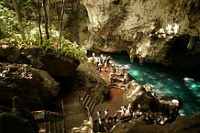
Los Tres Ojos National Park
Located on the east bank of the Ozama River, Los Tres Ojos (The Three Eyes) park offers a surreal experience for visitors. The site features a series of large natural limestone cav…
Los Tres Ojos National Park
Located on the east bank of the Ozama River, Los Tres Ojos (The Three Eyes) park offers a surreal experience for visitors. The site features a series of large natural limestone caves containing freshwater lagoons known as 'eyes'. These caves are adorned with impressive stalactites and stalagmites. Although local legend speaks of a bottomless lake, the lagoons are freshwater and relatively shallow. The caves were used by the pre-Columbian Taino Indians for religious ceremonies. Today, Los Tres Ojos is one of the most-visited natural attractions in the Dominican Republic.
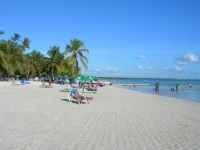
Boca Chica
The small seaside town of Boca Chica lies just east of Santo Domingo along the Avenida de las Americas and is a popular escape from city life. Its calm, clear turquoise waters, whi…
Boca Chica
The small seaside town of Boca Chica lies just east of Santo Domingo along the Avenida de las Americas and is a popular escape from city life. Its calm, clear turquoise waters, which are protected by a coral reef, make for superb swimming and snorkelling. Boca Chica is also known for its vibrant seafood restaurants, where visitors can enjoy fresh local dishes. Along with its pristine white sands and proximity to the capital city, Boca Chica is one of the most popular beaches in the Dominican Republic, especially on weekends and holidays. Boaters can anchor near Boca Chica's two islets, La Piedra and La Matica.
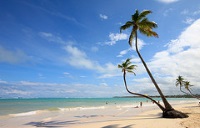
East Coast
The East Coast boasts some of the most beautiful beaches in the Dominican Republic and is the ideal destination for a beach vacation. Miles of powdery white beaches lined with palm…
East Coast
The East Coast boasts some of the most beautiful beaches in the Dominican Republic and is the ideal destination for a beach vacation. Miles of powdery white beaches lined with palm trees and aquamarine waters beckon those intent on kicking back and doing little besides relaxing in the sun. Large, all-inclusive resorts ensure that all holiday details are taken care of. There are no towns of interest in the area, but resorts act like mini self-contained cities, offering different dining and nightlife options, a variety of watersports, and good facilities for deep-sea fishing and golf. However, those looking for a more cultural and varied vacation will come away disappointed.
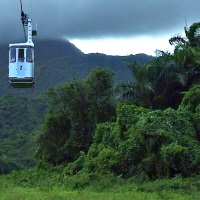
Mount Isabel de Torres
Towering over the city of Puerto Plata, Mount Isabel de Torres rises 2,600 feet (793m) above sea level and is a popular tourist attraction. Visitors can take a scenic seven-minute …
Mount Isabel de Torres
Towering over the city of Puerto Plata, Mount Isabel de Torres rises 2,600 feet (793m) above sea level and is a popular tourist attraction. Visitors can take a scenic seven-minute cable car ride, the only one in the Caribbean, to reach the summit. At the top, a botanical garden showcases a rich variety of tropical plants, and a statue of Christ the Redeemer, inspired by the one in Rio de Janeiro, stands overlooking the city. Dining options vary; visitors can enjoy spectacular views of the coastline and surrounding landscape from several scenic viewpoints.
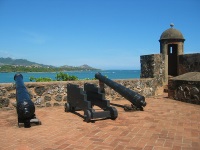
Fuerte San Felipe
Fuerte San Felipe is the only remaining structure from Puerto Plata's Spanish Colonial era. Built between 1540 and 1577 to protect the harbour from pirates and foreign invaders, th…
Fuerte San Felipe
Fuerte San Felipe is the only remaining structure from Puerto Plata's Spanish Colonial era. Built between 1540 and 1577 to protect the harbour from pirates and foreign invaders, the stone fort features a moat and now houses a small museum displaying colonial artefacts and historical exhibits. Although it was never the site of a major battle, the fort served as a military post and later as a prison. To the east lies the Malecón, a scenic oceanfront promenade lined with cafés and street vendors. It remains a popular place for strolling and enjoying views of the Atlantic coast.
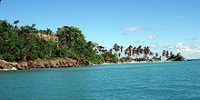
Samana Peninsula
Jutting into the Atlantic from the northeast coast of the Dominican Republic, the Samaná Peninsula is a remote, unspoilt region known for its white-sand beaches, swaying palm fore…
Samana Peninsula
Jutting into the Atlantic from the northeast coast of the Dominican Republic, the Samaná Peninsula is a remote, unspoilt region known for its white-sand beaches, swaying palm forests and clear, calm waters. Colourful fishing villages and small towns dot the coastline, while winding roads lead through lush mountains and past cool waterfalls. The pace is slow, the views are spectacular, and nature takes centre stage. From January to March, the peninsula becomes a prime spot for whale watching, as humpback whales arrive in the warm waters to mate and give birth just offshore.
La Romana
Once known as a sleepy sugar-cane town, the southeast city of La Romana used to go unnoticed among the Dominican Republic's tourists. That all changed when a luxurious tropical par…
La Romana
Once known as a sleepy sugar-cane town, the southeast city of La Romana used to go unnoticed among the Dominican Republic's tourists. That all changed when a luxurious tropical paradise resort opened just over a mile (2kn) from the town, making the region synonymous with exquisite turquoise waters, white sandy beaches and some of the finest golf courses and holiday resorts the country has to offer. These days, La Romana is one of the country's most visited regions, with many of the world's rich and famous making this relatively secluded tourist destination their summer playground. Visitors will find no shortage of water activities to enjoy, such as deep-sea fishing, scuba diving and snorkelling.