


Things to do in Krakow
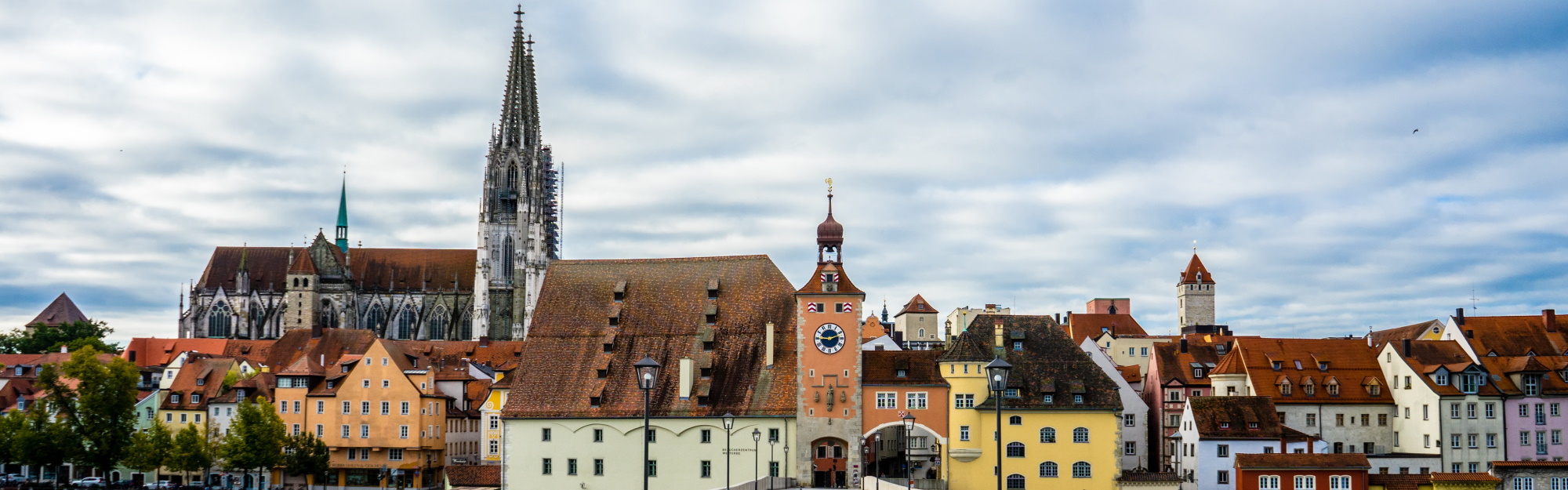
As more travellers discover the delights of Eastern Europe, Krakow, Poland's beautifully preserved medieval city, is quickly becoming one of the most sought-after destinations. The charming and atmospheric Old Town alone is reason enough to visit, especially the main Market Square (Rynek Glowny), which is surrounded by churches, restaurants and bars.
Krakow feels like a 'living museum' that will captivate history enthusiasts. Yet, it's also a vibrant cultural hub, drawing lovers of art, music and theatre. Wawel Hill, which overlooks the city, was home to the royal enclave between the 14th and 17th centuries, and visitors can explore the Royal Castle and the gothic Wawel Cathedral.
Krakow's tragic Holocaust history and its historic Jewish quarter, the Kazimierz district, make it a significant pilgrimage site for Jews. The poignant sites of Auschwitz and Birkenau, located nearby, are among the city's most solemn and thought-provoking tourist attractions. Within the city itself, the Galicia Jewish Museum and Oskar Schindler's Factory offer valuable insights into Krakow's Jewish heritage and the horrors of the Holocaust.
Main Market Square (Rynek Glówny)
Dating back to 1257, the Central Market Square was once one of the largest squares in medieval Europe and remains the vibrant heart of Krakow. Surrounded by historic buildings, mus…
Main Market Square (Rynek Glówny)
Dating back to 1257, the Central Market Square was once one of the largest squares in medieval Europe and remains the vibrant heart of Krakow. Surrounded by historic buildings, museums and magnificent churches, this expansive flagstone square continues to bustle with commercial and social activity. Flower sellers, ice cream vendors, musicians, pigeons, students and tourists all fill the square, adding to its lively atmosphere. The square has long been a trading hub, and was once the centre of commerce for luxury goods such as cloth and spices.
The striking St. Mary's Church, a twin-spire Gothic masterpiece, stands proudly at one end, and its hourly Hejnał mariacki trumpet call is a cherished tradition. At the centre of the square lies the splendid medieval Cloth Hall, now home to an art gallery featuring a collection of 19th-century Polish paintings and sculptures. Beneath the square, the Rynek Underground Museum reveals fascinating insights into Krakow's past, with archaeological finds that trace the city's development through the centuries.
The square also hosts numerous events and festivals throughout the year, from the lively Krakow Christmas Market to summer concerts, making it an ever-changing and dynamic destination.
Wawel
Wawel Hill offers a stunning view of Krakow and is home to an architectural complex that includes Wawel Castle and the Gothic Wawel Cathedral. This historic site was the coronation…
Wawel
Wawel Hill offers a stunning view of Krakow and is home to an architectural complex that includes Wawel Castle and the Gothic Wawel Cathedral. This historic site was the coronation and burial place for Polish kings from the 14th to the 17th century, making it central to Poland's royal history. The Renaissance-style Wawel Castle is a mix of architectural styles, including Gothic and Romanesque elements, and now functions as a museum. Visitors can explore the Royal Private Apartments, Crown Treasury, Armoury and State Rooms. Among the cathedral's many chapels, the golden-domed Chapel of King Sigismund stands out as the most remarkable. The cathedral also houses the royal tombs of many Polish monarchs and national heroes, adding to its historical significance.
For a truly unique experience, travellers shouldn't miss the nearby Wawel Dragon's Den, which is a cave beneath the castle that's home to a statue of the legendary dragon. The dragon even breathes fire at regular intervals! Visitors can also climb the bell tower for panoramic views of the city and to see the massive 11-tonne Sigismund Bell. For those looking to explore more, the 'Dragon's Route' is a scenic pathway along the Vistula River leading up to Wawel Hill.
Wawel is a national symbol of Poland, representing the heart of Polish culture and identity. Depending on the time of year, special exhibitions, concerts or events may take place within the castle and cathedral, enhancing the experience. A variety of guided tours are available, so visitors should be sure to check the official website for more details. The site is wheelchair accessible, making it easier for everyone to enjoy its rich history.
Website www.wawel.krakow.pl
Kazimierz District and the Old Synagogue
The Kazimierz quarter was the centre of Jewish religion, culture and learning before the Second World War. Badly damaged during the Nazi occupation, it has been rebuilt so visitors…
Kazimierz District and the Old Synagogue
The Kazimierz quarter was the centre of Jewish religion, culture and learning before the Second World War. Badly damaged during the Nazi occupation, it has been rebuilt so visitors can admire the historical architecture and get an experience of what daily Jewish life was once like. The area is enlivened by art galleries, kosher restaurants and numerous cultural events. The Oskar Schindler Factory Museum is itself a popular tourist attraction in Krakow, and is dedicated to the memory of Schindler and the Jewish workers he managed to save from the death camps. The Old Synagogue is part of the Historical Museum of Krakow, where the collection of physical memories from the Kazimierz Jewish community is kept.
Website www.mhk.pl/oddzialy/stara-synagoga
Wieliczka Salt Mine
A UNESCO World Cultural Heritage Monument, the Salt Mine at Wieliczka is a remarkable underground complex that dates back to the Middle Ages. This vast network of labyrinthine tunn…
Wieliczka Salt Mine
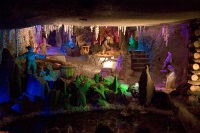
A UNESCO World Cultural Heritage Monument, the Salt Mine at Wieliczka is a remarkable underground complex that dates back to the Middle Ages. This vast network of labyrinthine tunnels, chambers, galleries and underground lakes stretches over nine levels and reaches a depth of more than 1,000 feet (304 meters), though visitors are limited to a tour of three levels. As visitors explore, they'll encounter centuries-old passageways leading to enormous crystalline caverns and intricately carved chapels. The highlight is the Blessed Kinga Chapel, where everything, from the altars to the sculptures, is delicately carved from salt. This stunning chapel is dedicated to Saint Kinga, the patron saint of Polish mine workers, and serves as a tribute to their enduring legacy. Added to this, the world's first subterranean therapeutic sanatorium, located 656 feet (200 meters) below the surface, takes advantage of the mine's saline air to treat conditions such as asthma.
Website www.kopalnia.pl
Auschwitz Memorial Museum
The Auschwitz concentration camp stands as the largest cemetery in the world, preserved as a memorial to the victims of the Holocaust during the Second World War. The site's struct…
Auschwitz Memorial Museum
The Auschwitz concentration camp stands as the largest cemetery in the world, preserved as a memorial to the victims of the Holocaust during the Second World War. The site's structures, ruins and gas chambers can be explored, alongside various exhibits at the museum.
Inside the buildings, displays of photographs and piles of personal belongings left behind by the victims can be seen, including battered suitcases, thousands of spectacles, hair and shoes. These items serve as haunting reminders of the individuals who perished here.
The sheer scale of the tragedy is most striking at the Birkenau Camp (Auschwitz II), where a viewing platform provides a perspective on the vast, fenced-in area. Birkenau was the principal site for the extermination of millions of people, designed with chilling efficiency, featuring rows of barracks and four colossal gas chambers and crematoria.
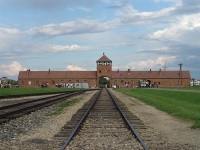
Purpose-built railway tracks run through the massive gateway, which was used to transport victims from the ghettos to the camp in overcrowded boxcars. Many were sent directly to the gas chambers upon arrival.
To fully comprehend the site and its history, guided tours are recommended, typically lasting at least three and a half hours. These tours provide essential context and a deeper understanding of the camp's significance. Given the high demand, booking a place on one of the various guided tours at least two weeks in advance is advised. For further details, the official website provides more information.
As Auschwitz is a memorial to the victims of the Holocaust, visitors are reminded to behave respectfully during their visit. It's important to maintain silence in many areas of the camp, refrain from loud talking or inappropriate behaviour, and avoid taking photos in certain locations. The site is a place of mourning and reflection, and visitors should approach it with the utmost reverence.
Website auschwitz.org/en/
Galicia Jewish Museum
Situated in the heart of Krakow's Jewish Quarter, the Galicia Jewish Museum features a powerful permanent photographic exhibition documenting the history and heritage of the Jewish…
Galicia Jewish Museum
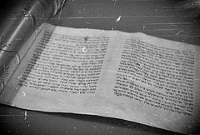
Situated in the heart of Krakow's Jewish Quarter, the Galicia Jewish Museum features a powerful permanent photographic exhibition documenting the history and heritage of the Jewish community in Poland. The museum focuses particularly on the Holocaust and its impact on the Jewish villages and towns across the country. Poland's population was decimated during World War II, with the Jewish community suffering devastating losses. The museum also has a bookshop and hosts a range of temporary exhibitions, special events, lectures and Jewish music concerts. While often overlooked by tourists in Krakow, the Galicia Jewish Museum offers a deeply moving experience that is valuable for visitors from all walks of life. It's recommended to budget at least three hours to fully appreciate the exhibits. Guided tours are available, and there's a charming cafe offering refreshments.
Website www.galiciajewishmuseum.org
Piwnica pod Baranami
Piwnica pod Baranami is a Parisian-style cabaret located in Kraków's historic Old Town, offering tourists a unique opportunity to experience the city's vibrant cultural heritage. …
Piwnica pod Baranami
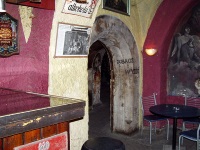
Piwnica pod Baranami is a Parisian-style cabaret located in Kraków's historic Old Town, offering tourists a unique opportunity to experience the city's vibrant cultural heritage. Founded in 1956 by Piotr Skrzynecki, a prominent Polish artist and cabaret performer, this bohemian cellar quickly became a gathering place for local artists, writers and intellectuals. Known for its avant-garde performances and politically charged humour, Piwnica pod Baranami became a hub for Poland's beloved tradition of political cabaret.
Piotr Skrzynecki, one of the key figures in Polish culture, was a key influencer in Kraków's post-war artistic scene. He not only founded Piwnica pod Baranami but also shaped its distinct blend of satire, music and poetry that challenged the political status quo and resonated deeply with the local community.
To this day, Piwnica pod Baranami continues to host live performances, keeping its rich tradition alive. The venue is particularly famous for its Saturday night shows, which begin at 9pm and remain highly popular among locals and tourists alike. Due to its popularity, it's advisable to book tickets in advance.
Visiting Piwnica pod Baranami is a highly recommended experience for anyone looking to immerse themselves in Kraków's cultural scene. Whether visitors are drawn to its historical significance, its bohemian atmosphere or the chance to enjoy a night of laughter and music, it's the perfect spot to kick off an unforgettable Saturday night in Poland.
Website www.piwnicapodbaranami.pl/
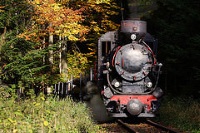
Bieszczady Mountains
While most tourists to Poland usually content themselves with the wonderful cultural experiences in the old towns of Warsaw and Krakow, a trip into the Polish countryside can be an…
Bieszczady Mountains
While most tourists to Poland usually content themselves with the wonderful cultural experiences in the old towns of Warsaw and Krakow, a trip into the Polish countryside can be an equally rewarding enterprise. The Bieszczady Mountains run through the extreme southeast of Poland, near the Ukraine and Slovakia borders. A land of snow-capped peaks, tall pine trees, and vast green meadows, the Bieszczady region boasts hiking and mountain bike trails that wind through a rich array of native flora. Found in the UNESCO East Carpathian Biosphere Reserve, animal lovers should look out for lynxes, bears and wolves.
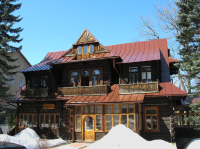
Zakopane
The Tatra Mountains, Poland's stunning alpine range, are known for their towering peaks, rocky cliffs and glacial lakes, and the area is dotted with picturesque villages that maint…
Zakopane
The Tatra Mountains, Poland's stunning alpine range, are known for their towering peaks, rocky cliffs and glacial lakes, and the area is dotted with picturesque villages that maintain a traditional highland lifestyle. At the heart of the region lies Zakopane, Poland's premier mountain resort and winter sports capital. Nestled at the foot of the Tatras, Zakopane offers direct access to ski slopes in winter. The town exudes a charming, fairytale-like atmosphere, with steep streets lined by traditional wooden cottages and buildings featuring the unique 'Zakopane-style' architecture, which is adorned with delicate carvings and intricate woodwork. The Tatra region is a popular destination for outdoor activities, and one of its most sought-after attractions is the stunning glacial lake, Morskie Oko.