

Country guides
 Africa
Things to do in Madagascar
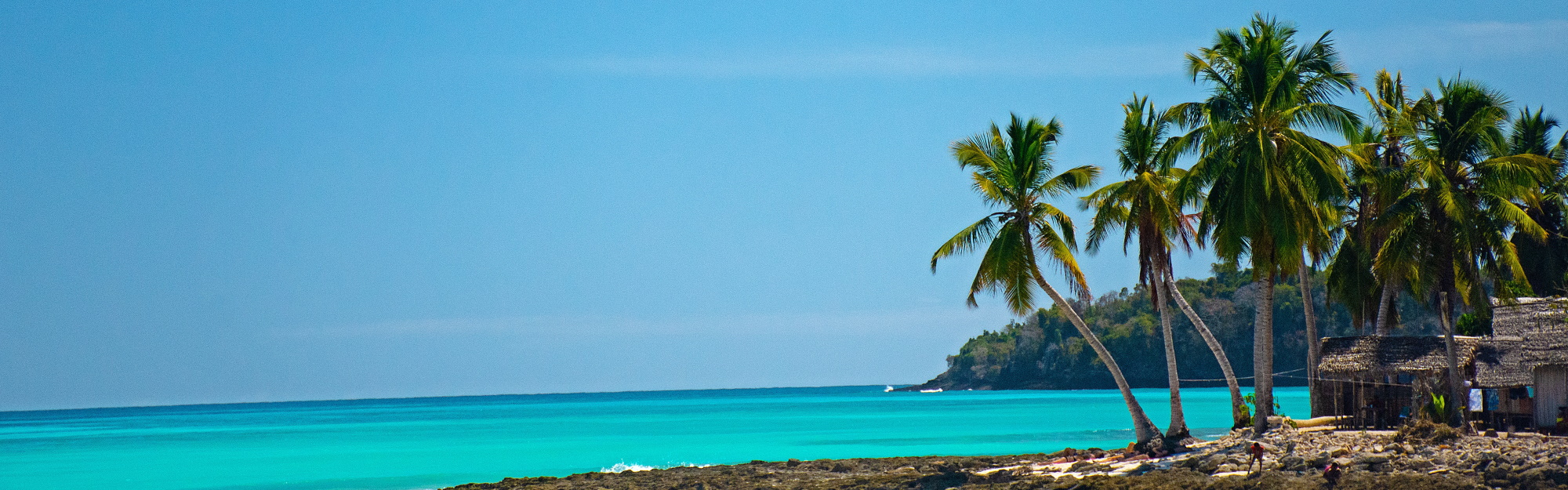
Boasting miles of verdant landscapes, beautiful beaches, wild rainforests, and scenic towns and ports, Madagascar offers a wealth of attractions for those who choose to explore this inspiring and unique island. With numerous reserves and national parks that are home to an incredible variety of wildlife, including the iconic lemurs, the destination's remarkable biodiversity has earned it the nickname 'the eighth continent'. While getting around the island can be challenging due to limited infrastructure, travellers who make the effort are rewarded with unforgettable experiences.
Visitors should head to the town of Antsirabe to visit the volcanic lakes of Andraikiba and Tritriva, or unwind in its therapeutic thermal baths. On the east coast, Île Sainte-Marie provides one of the best whale-watching spots in the region, along with fragrant herb gardens, vanilla plantations, and even a pirate cemetery for the more adventurous. In the coastal city of Toamasina, visitors can explore colonial architecture and enjoy a visit to Parc Ivoloina, a wildlife reserve known for its lemur conservation work.
For active travellers, Madagascar's coastline has plenty of water-based adventures, from scuba diving and snorkelling to canoeing and swimming. On land, hikers and wildlife lovers can explore countless trails through national parks and reserves, where they'll have the chance to encounter some of the most fascinating birds and animals found anywhere on Earth.
Andasibe-Mantadia National Park
Located in Madagascar's eastern rainforests, Andasibe-Mantadia National Park is one of the country's most visited reserves, and for good reason. The park is home to a wealth of end…
Andasibe-Mantadia National Park
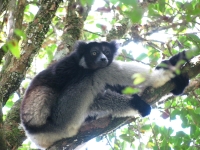
Located in Madagascar's eastern rainforests, Andasibe-Mantadia National Park is one of the country's most visited reserves, and for good reason. The park is home to a wealth of endemic wildlife, including 13 species of lemurs, over 100 species of birds, and a wide range of unique flora and fauna.
The park is divided into two main sections. The more accessible is the Analamazaotra Special Reserve, often referred to simply as Andasibe. This area is famous for its population of indri, the largest living lemur, whose eerie, siren-like call can be heard echoing through the forest at dawn. Visitors can take early morning hikes to hear and observe these rare primates in their natural habitat.
The second section, Mantadia National Park, is larger and wilder, with more challenging trails and greater biodiversity. Night hikes offer the chance to spot nocturnal species such as mouse lemurs and chameleons. Guided hikes range from three to six hours, and all visitors must be accompanied by a local guide. Private tours should be arranged in advance.
The Royal Hill of Ambohimanga
The Royal Hill of Ambohimanga is one of Madagascar's most important cultural and spiritual landmarks. Located about 12 miles (20 km) from Antananarivo, the hill contains a former r…
The Royal Hill of Ambohimanga
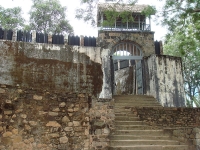
The Royal Hill of Ambohimanga is one of Madagascar's most important cultural and spiritual landmarks. Located about 12 miles (20 km) from Antananarivo, the hill contains a former royal city, sacred sites, and several royal tombs. Once the political and spiritual heart of the Merina Kingdom in the late 18th century, Ambohimanga remains a powerful symbol of Malagasy identity and heritage.
Set amid lush green countryside overlooking rice paddies, the site includes a preserved palace complex and burial grounds. The wooden royal palace houses historical artefacts, including gifts from Queen Victoria. Still considered sacred by many Malagasy, the site continues to draw pilgrims and visitors alike, offering a rare insight into the island's pre-colonial past.
Website whc.unesco.org/en/list/950
Ranomafana National Park
Ranomafana National Park is one of Madagascar's best-loved rainforest reserves. Tucked into the island's southeast, it's known for its misty trails, rare plants, waterfalls, and th…
Ranomafana National Park
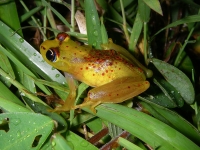
Ranomafana National Park is one of Madagascar's best-loved rainforest reserves. Tucked into the island's southeast, it's known for its misty trails, rare plants, waterfalls, and the chance to spot lemurs in the wild. One of the highlights is the golden bamboo lemur, a species found nowhere else on Earth.
Guides lead daytime hikes and night walks just outside the park, where visitors might glimpse mouse lemurs, frogs, or chameleons. There are several trails to choose from, and while some are short and easy, others can be more challenging.
The best time to visit is between August and December, when the weather is drier and wildlife is active. The park entrance is in the village of Ranomafana, which also has a handful of eco-lodges and guesthouses. For a rainforest experience that's both accessible and unforgettable, Ranomafana is hard to beat.
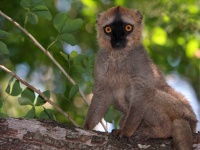
Berenty Reserve
Berenty Reserve is a small private wildlife sanctuary along the Mandrare River in southern Madagascar. Known for its gallery forest and rich biodiversity, it's home to ring-tailed …
Berenty Reserve
Berenty Reserve is a small private wildlife sanctuary along the Mandrare River in southern Madagascar. Known for its gallery forest and rich biodiversity, it's home to ring-tailed lemurs, Verreaux's sifakas, giant couas, white-browed owls, and other endemic species, making it a favourite among eco-tourists and researchers.
The reserve was created by the de Heaulme family to help protect the surrounding forest, working closely with the local Tandroy community. Despite its size, Berenty offers a variety of landscapes, from dry scrub and spiny forest to dense riverine woodland.
Visitors can explore on foot with local guides or stay at the on-site lodge. The lemurs are habituated to humans and often wander near guests, offering a rare chance to observe them up close in a natural environment.
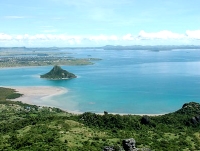
Antsiranana Bay
Antsiranana Bay, once known as Diégo Suarez Bay, is one of the largest natural harbours in the world, located at Madagascar's northern tip. The surrounding region offers visitors …
Antsiranana Bay
Antsiranana Bay, once known as Diégo Suarez Bay, is one of the largest natural harbours in the world, located at Madagascar's northern tip. The surrounding region offers visitors stunning landscapes, including quiet beaches such as Ramena and nearby nature reserves where lemurs, crocodiles, and a variety of birds can be spotted.
While the area has a rich history, most notably as the site of a key World War II battle, it remains a small, working port town with limited tourist facilities. Visitors should be prepared for a raw, authentic experience, including encounters with friendly but persistent tuk-tuk and taxi drivers. The town's charm lies in its blend of colonial heritage and vibrant local culture, though poverty is visible and infrastructure basic.
For those seeking off-the-beaten-path adventure and genuine insight into Madagascar's diverse environments and history, Antsiranana offers an unforgettable visit, but it's best approached with an open mind and practical expectations.
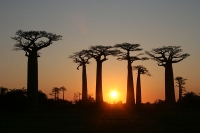
Avenue of the Baobabs
According to Madagascan legend, the Baobab tree was planted upside down, so its roots are on top and its branches underground. The best place to see these giant trees is at the Ave…
Avenue of the Baobabs
According to Madagascan legend, the Baobab tree was planted upside down, so its roots are on top and its branches underground. The best place to see these giant trees is at the Avenue of the Baobabs, located in the Menabe region along the road between Morondava and Belon'i Tsiribihina. This distinctive cluster of trees can reach up to about 100-feet (30m) tall, with many estimated to be around 800 years old. The Avenue of the Baobabs offers a peaceful escape into nature, still relatively unspoilt despite growing popularity. Visitors will find a simple picnic area and a baobab 'farm' nearby, where different kinds of baobab saplings are nurtured and displayed.
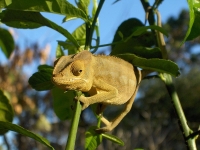
Amber Mountain National Park
Amber Mountain (Montagne d'Ambre) National Park, in northern Madagascar, is famed for its colourful orchids and lush montane rainforest, and enjoys a cooler climate than the surrou…
Amber Mountain National Park
Amber Mountain (Montagne d'Ambre) National Park, in northern Madagascar, is famed for its colourful orchids and lush montane rainforest, and enjoys a cooler climate than the surrounding lowlands thanks to its altitude. Wildlife enthusiasts will find unique species such as the blue-nosed chameleon and seven types of lemurs, and birdwatchers in particular will relish the chance to spot around 75 bird species, with 35 endemic to the area. The park also features beautiful volcanic lakes and waterfalls, including the popular Sacred Waterfall (Cascade Sacree).
Amber Mountain is one of Madagascar's most accessible parks, with well-maintained trails, camping areas, and an in-park lodge. Electricity can be unreliable, and the nearest banks and medical facilities are hours away in Antsiranana. Unlike most parks in Madagascar, visitors can explore Amber Mountain without a mandatory guide. The best time to visit is from September to November, when animal activity peaks.